TOUR HIGHLIGHTS
Visit EPIC The Irish Emigration Museum to explore the story of Irish migration and its impact on Irish-American identity.
Explore Strokestown Park House and Famine Museum, learning about the Great Famine and the Irish emigration it triggered.
Visit Londonderry, connecting you to the history of Irish and Ulster-Scots migration. Learn about the Ulster-Scots migration and its influence on Irish-American communities.
Marvel at the geological wonder of the Giant’s Causeway, a UNESCO World Heritage Site.
Explore the historic Dunluce Castle, tied to Irish clan history and migration.
Participate in private genealogy workshops to trace your ancestral roots and understand your family’s migration story.
Enjoy live Irish music sessions and traditional storytelling, connecting you to the cultural tapestry of Ireland.
Experience the breathtaking landscapes of the Mourne Mountains and the Irish countryside, with guided visits to key historical sites.
Spend time at leisure in Dublin, Belfast, and Newcastle, revisiting your favorite sites or enjoying personal exploration.
TOUR PRICE $4495.00 per person
There is a thread that runs through our lives… a line that ties us to those who came before. It is woven not just in the names in our family trees, but in the land beneath our feet, in the silent passing of generations and in the stories they carried. This is a journey for people who carry something they can't quite name. A pull toward a place they've never been. A pattern in their family they've never examined. A question they've been circling for years without knowing how to ask it. We go to Ireland not to collect ancestors but to stand in the places where their stories bent; where famine, faith, policy or sheer survival forced someone onto a road they never came back from …and to ask what that departure still means for us.
This is not just a tour through Ireland. This is a journey through the layers of history that shaped your ancestors. It’s more than walking the streets of Dublin or gazing at the cliffs of Northern Ireland. It is realizing that the story is still being written. You are a part of it, as much as they are.
It’s about understanding your family's place in the world and the stories that have shaped you. On this tour, your personal journey will be deepened, as you process and reflect on your family’s migration and origin stories. You will not only visit historical sites but also connect emotionally to the histories that live within you.
SOLD OUT


TRIP OVERVIEW

TRIP PRICE: $4495.00
WHAT’S INCLUDED
Beautiful, centrally located accommodations double occupancy; $995.00 Single supplement fee
Most meals (7 Breakfast, 5 Dinners)
Sudden Journeys Tour Director
A small, friendly group of 10 people
All ground transportation, luxury mini-coach or van
All sightseeing, events, and visits as noted in the itinerary
All entrance fees, service charges, and standard taxes
Coach Driver, local guides and restaurant gratuities
Special dinner and welcome drinks
Custom-designed gifts for your travels
We’ve left a few details off the itinerary. This is intentional. Some things are best discovered slowly, in the moment. Who doesn’t love a good surprise?! Trust us, you’ll see.
Fine print: You are responsible for the cost of your drinks and free-time sightseeing. See our Tour Conditions for important details regarding everything listed above.
Arrival Airport: Dublin, Ireland (meeting at Dublin hotel)
Departure Airport: Belfast, N Ireland or Dublin, Ireland (departure from Belfast hotel)
Note: The itinerary is descriptive, not definitive, and is subject to change. There also may be modifications due to weather, restoration works taking place are historic sites, and availability of local activities and guides. Kyle will be your tour leader unless of an event, she isn’t available another fabulous tour leader will be assigned to your trip.
“The tour was extremely well organized and every detail was considered. I felt so comfortable and well cared for as we all enjoyed this beautiful part of the world.”
ACCOMMODATIONS


THREE NIGHTS IN DUBLIN
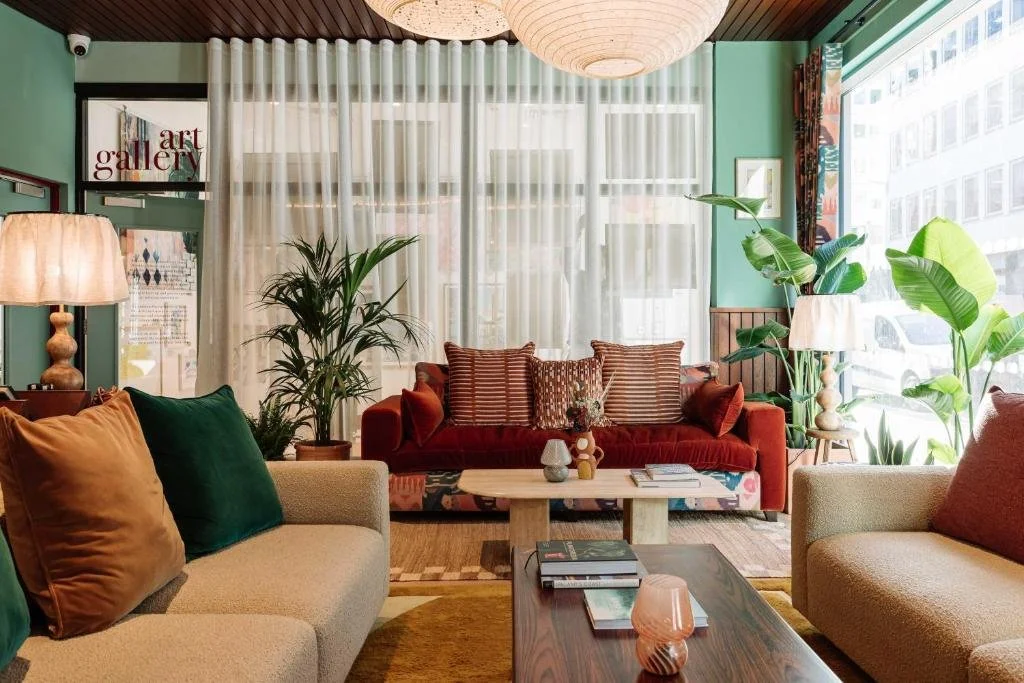
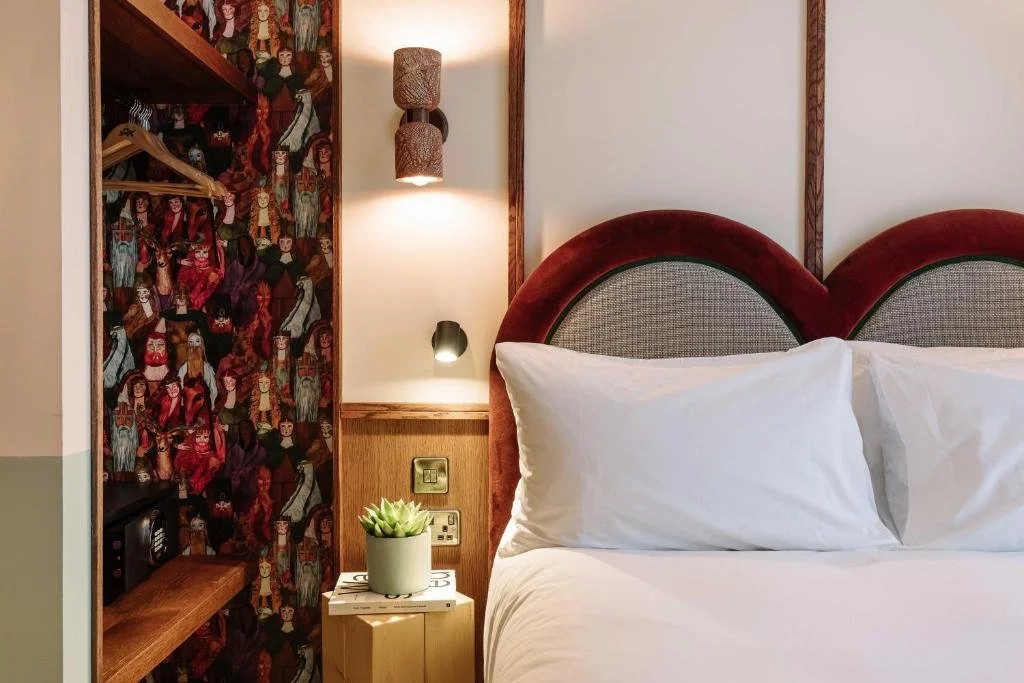
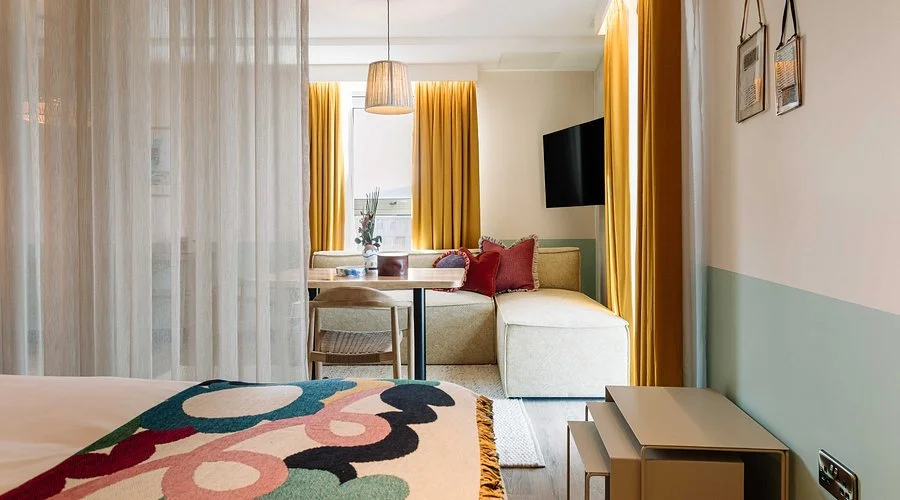
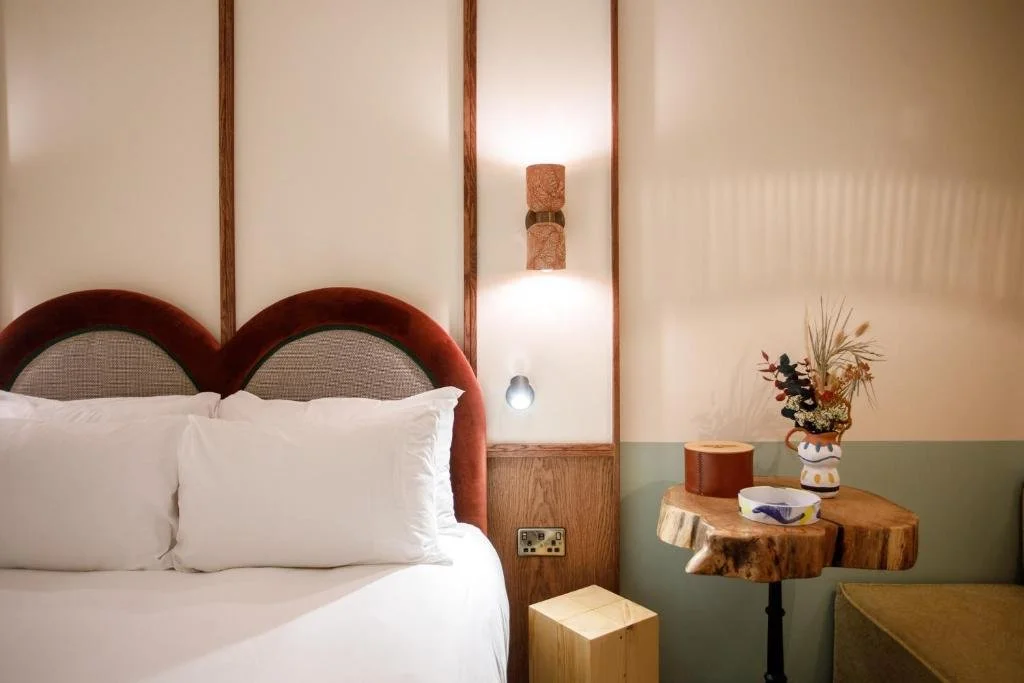
A warm, design-forward retreat in the heart of Dublin, this brand new hotel feels more like a lived-in home than a hotel. Thoughtful interiors, inviting common spaces, and an unpretentious elegance make it an ideal place to arrive, settle, and begin paying attention.
Why we chose it: A soulful, centrally located home base that invites connection—both to the city and to one another.


ONE NIGHT IN THE IRISH COUNTRYSIDE
Set between the Mourne Mountains and the Irish Sea, this seaside retreat offers grandeur without stiffness and beauty without hurry. Here, landscape takes the lead. Afternoon tea, sea air, and mountain light create space for rest, reflection, and remembering.
Why we chose it: Few places so beautifully hold land, history, and stillness in the same breath.
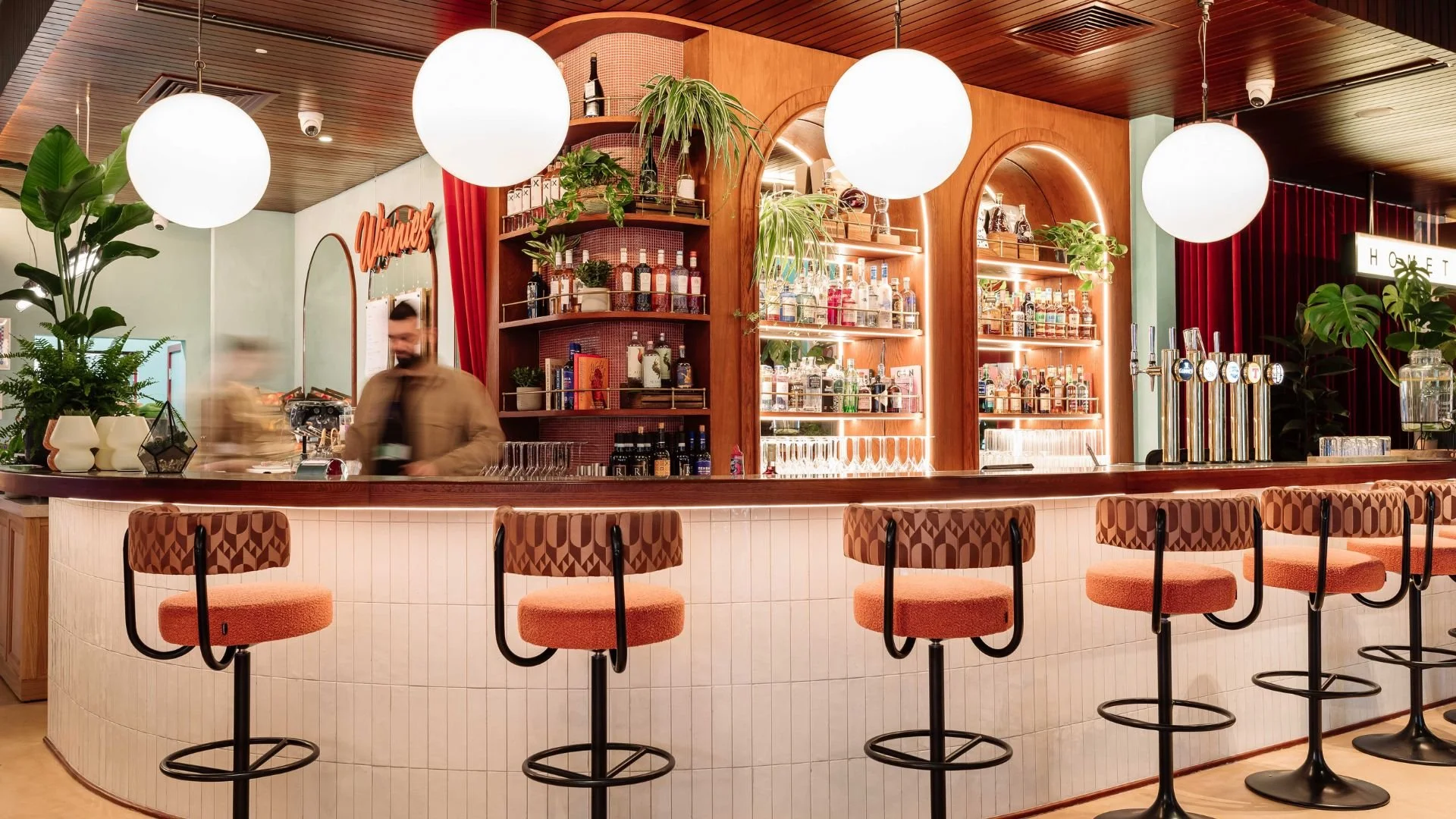
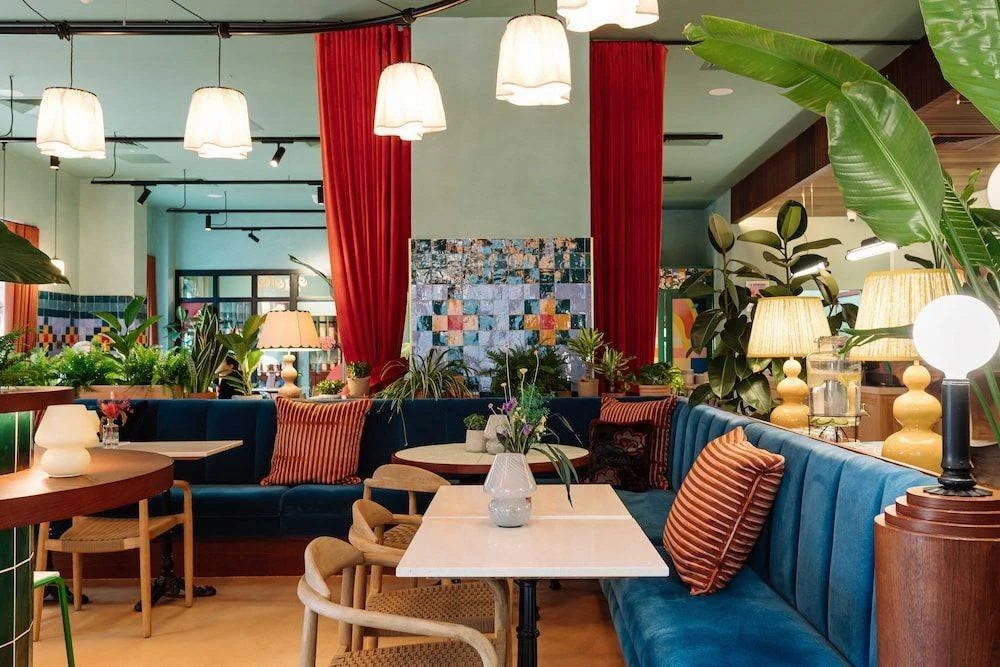
THREE NIGHTS IN BELFAST
This hotel sits in the heart of central Belfast, within walking distance of the Cathedral Quarter full of cobblestoned streets, live music, independent restaurants, street art, and the city's best pubs, bookshops, and cultural venues. A modern hotel it blends the comfort and flexibility of home with the warmth of hotel hospitality. Rooms are spacious and design-forward, with premium bedding and natural light.
Why we chose it: A warm, well-located home base in a city best explored on foot, close to everything, with live music waiting downstairs.
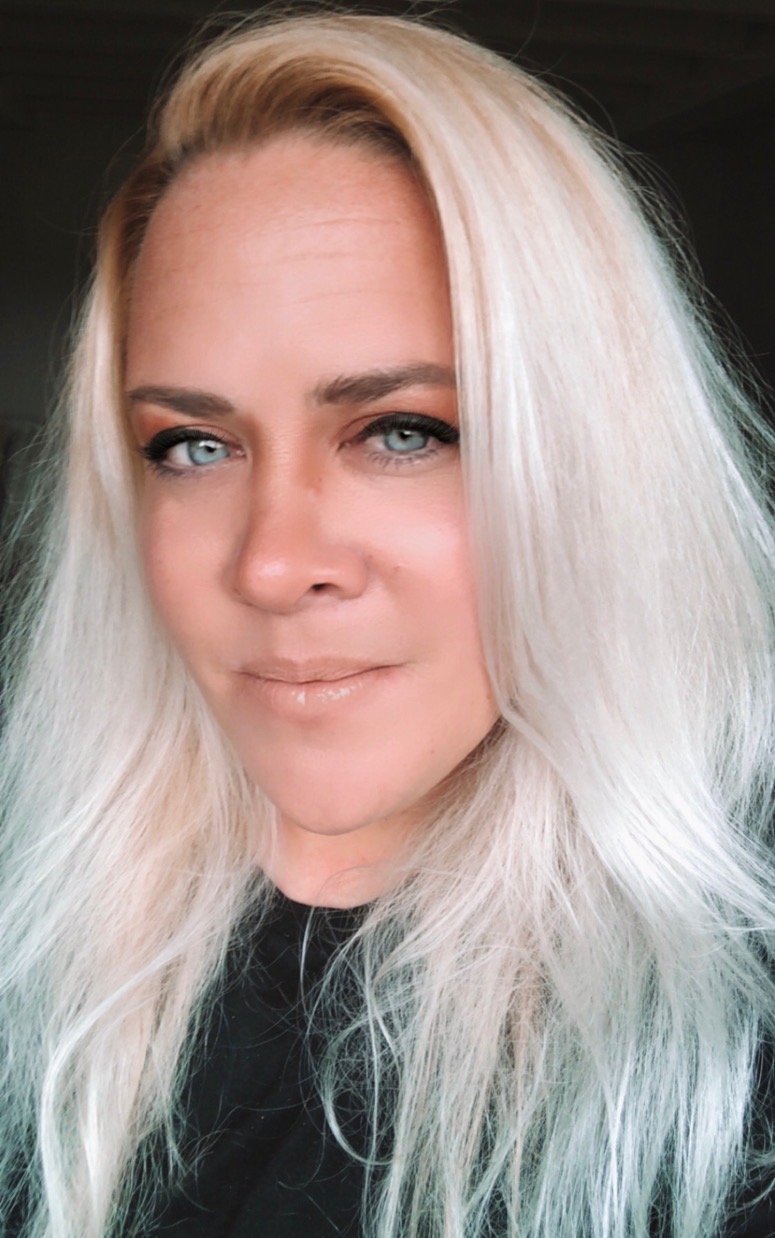
TOUR LEADER: KYLE CAMPBELL
FOUNDER OF SUDDEN JOURNEYS
Meet Kyle, founder of Sudden Journeys; a seasoned travel guide and storyteller born in Tennessee and shaped by more than two decades of leading intimate journeys across Europe and the U.S. Her work blends deep historical curiosity, a reverence for place, and years spent alongside displaced peoples and refugees, whose stories continue to inform how she understands migration, identity, and belonging. Kyle designs travel not as consumption, but as encounter.. experiences meant to expand worldviews, soften hearts, and invite reflection on how where we come from shapes how we live and love today. When she’s not on the road, she calls an 18th-century farmhouse in the English countryside home.
After more than two decades in this industry, I've become increasingly interested in something harder to put on an itinerary: how do we create the conditions for encounter? An encounter with a place that changes how you understand its history. A conversation with someone whose experience complicates what you thought you knew. A story that causes you to reconsider your own.
Who Is This For?
This journey is for seekers: people who feel a pull toward a place they've never been, who sense that mysterious gaps in their family history are also gaps in their understanding of themselves.
Many of the people who come are in the middle of something: a loss, a major life change, a season of transition that has left them reaching backward for solid ground. Some are trying to honor a parent or grandparent they didn't fully know. Some are simply tired of carrying a story they've never examined and ready, finally, to look at it with open hands.
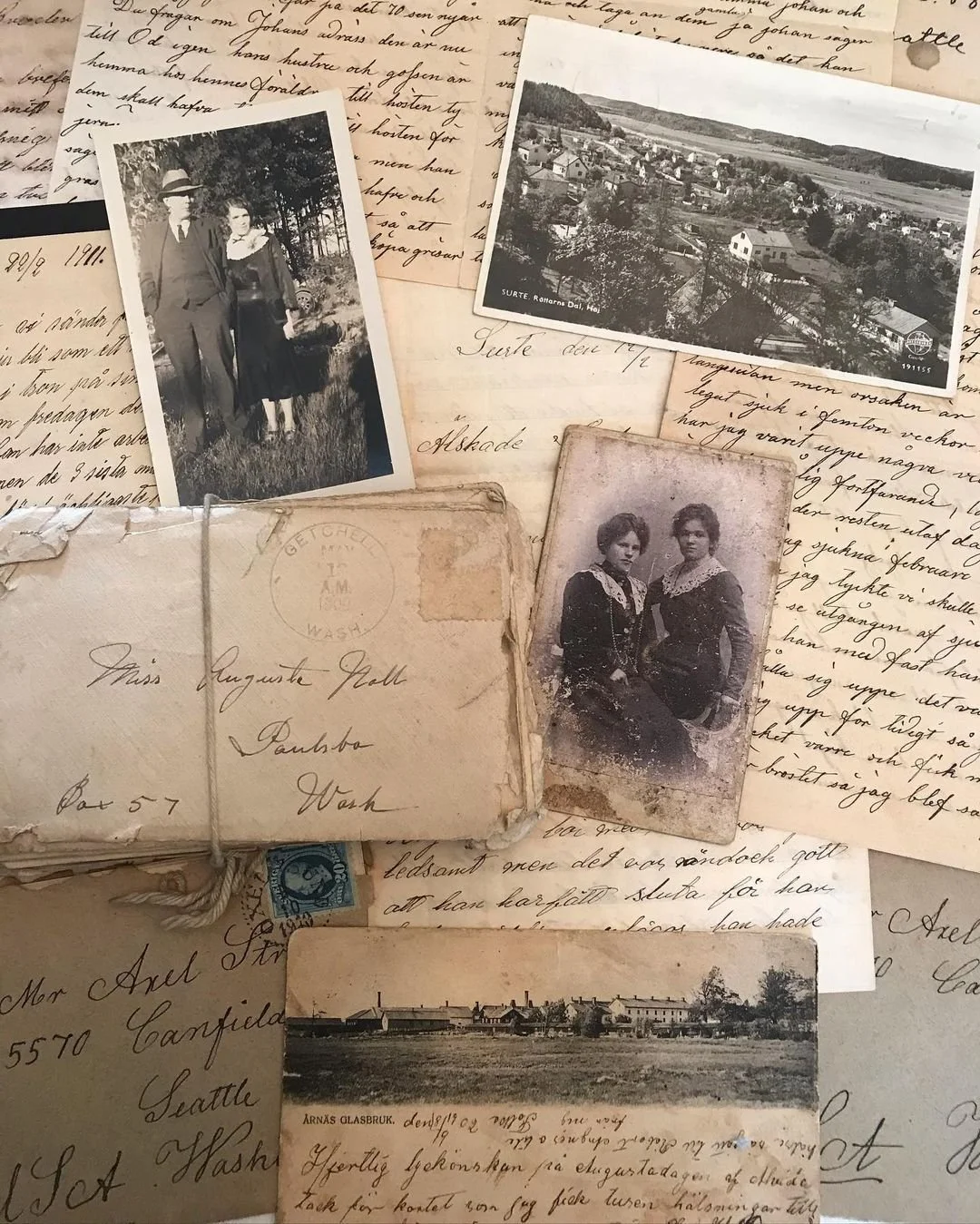
You don't need a detailed family tree to join. You don't need Irish ancestry at all. Migration, belonging, displacement, identity, and the search for home are profoundly human stories. Some guests come because their great-grandmother left from Cork. Others come because the Irish story; the music, the diaspora, the way an entire people turned displacement into poetry and resilience into song has always moved them. Both reasons are equally welcome here.
This tour is for people who believe travel can be more than sightseeing. Who are willing to step beyond the familiar. Who sense that where they come from still has something to say about who they're becoming. And who are curious enough to listen.
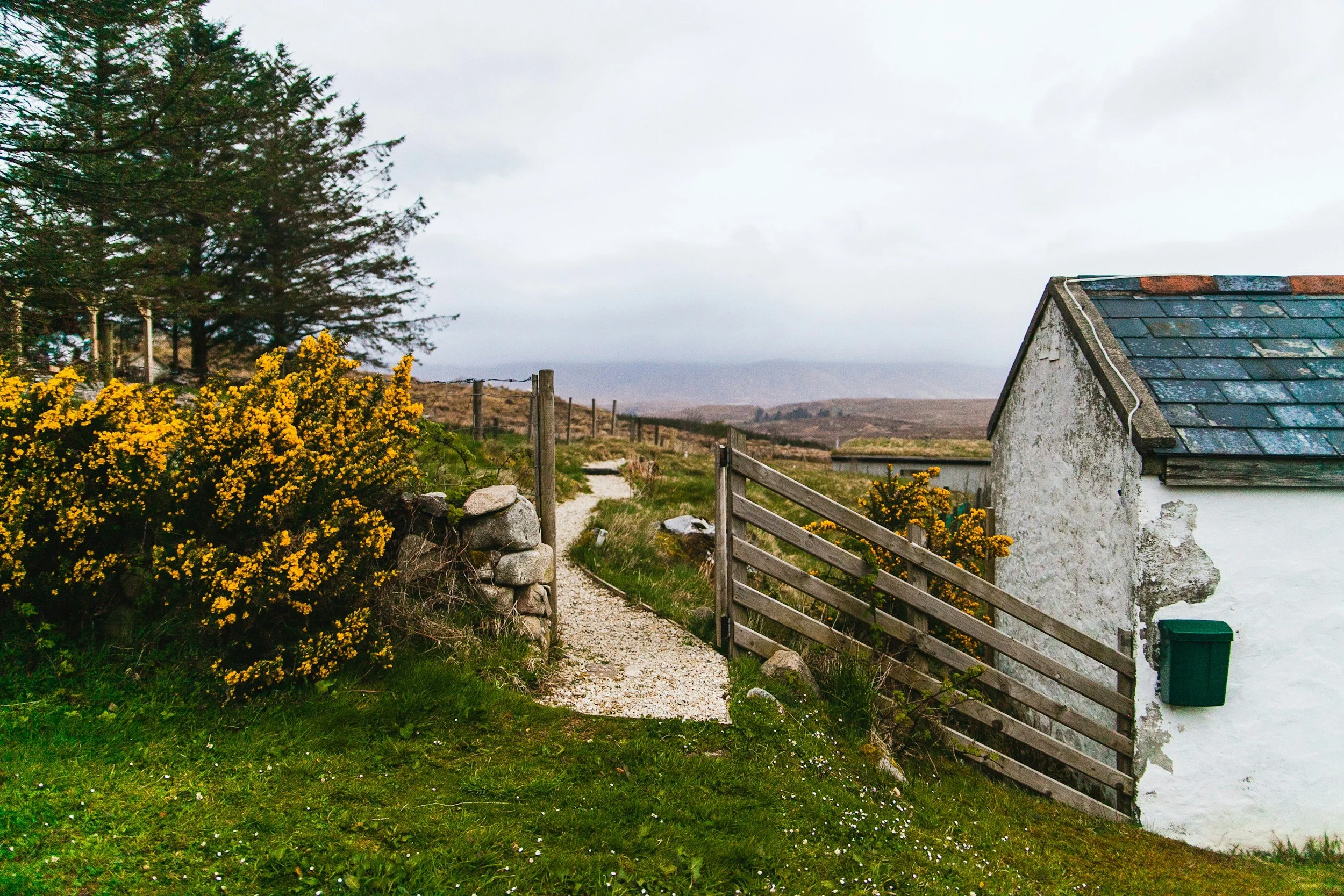
Why Origin Stories
We all come from somewhere. It sounds simple until you begin looking closely.
The places we come from have borders that moved. Names changed spelling as they crossed water. Languages disappeared from families. Wars, hunger, opportunity, love, ambition, and circumstance sent people away from the places they knew and toward lives they could not yet imagine.
Origin Stories grew from my fascination with the decisions that eventually become our lives. Why did people leave? Why did others remain? What pressures surrounded them when they chose? What did they carry into the next place, and what was lost along the way?
Genealogy can tell us names and dates. History gives those names atmosphere. It tells us what was happening around a person when they made a decision that eventually travelled down generations and arrived, in some form, with us.
Heritage travel, as most people practise it, tends to stop at the records. You research the parish, cross the ocean, stand in front of a church, take a photograph, fly home. And that's the end.
But what if it's the beginning?
Origin Stories is not about romanticizing ancestry or finding a perfect explanation for who we are. It is an invitation to become curious.. to stand in places where history happened, listen to people who know the stories intimately, and allow our understanding to become more complicated. To ask not just where did they live, but why did they leave. Not just the facts of the departure, but the interior life of it. And what their leaving still means for us.
This tour is built around three braided layers:
The place: why we are where we are and why it matters.
The family story: ancestry, heritage, migration.
Your own story: how what we encounter meets them where they are right now, in this season of their life.
These aren't separate threads. They're woven together. The place holds the history. The history holds the family. The family holds you.
We all come from somewhere. This is one place from which we can begin.
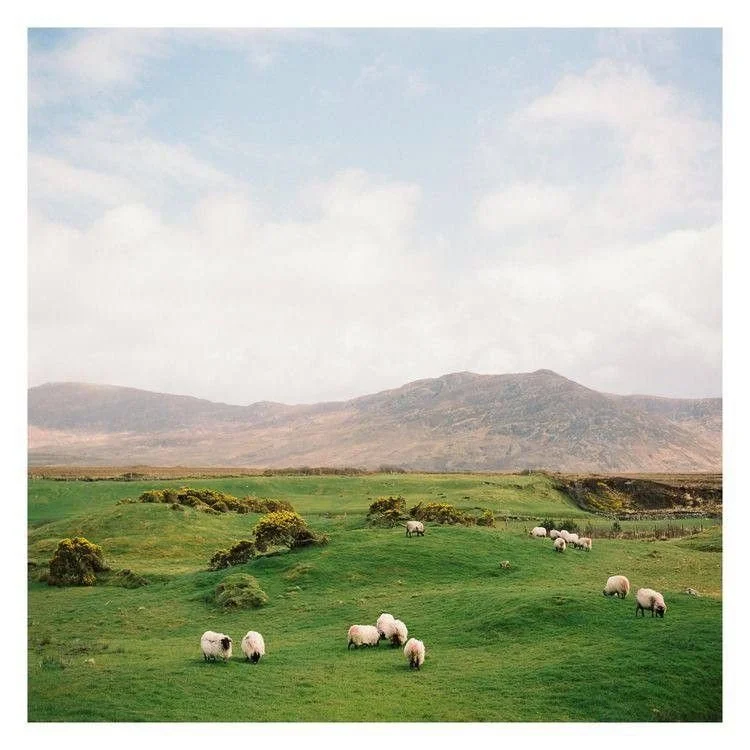
Why We Cross the Border
I spent a long time deciding whether this tour should focus on the Republic of Ireland or Northern Ireland. In the end, I couldn't separate them. Because the story doesn't separate.
The history of emigration from this island happened in different waves, affecting different people at different times and for different reasons. The Great Famine drove millions from the south and west. The Plantation of Ulster brought Scots to the north, and then many of their descendants left again for America, becoming the Scots-Irish who shaped the Appalachian frontier. The Troubles created a different kind of displacement: internal, psychological, generational. These are not the same story. But they are stories that cannot be understood apart from each other.
The Irish story is complicated, layered, and refuses to be drawn in black and white. And I think that's so much of our human story too. We are complicated and layered and interconnected, and you cannot divide us cleanly. The border on this island is political. The story that runs through it is human. The music crosses it. The grief crosses it. The family lines cross it.
This journey moves from Dublin to Belfast not because it's geographically convenient, but because the story demands it. You cannot understand what emigration meant.. what it still means.. without walking both sides.

DAY ONE SAT OCTOBER 10 Arrival Day | Dublin
Welcome, traveler. You've arrived in Dublin. Your home for the next three nights is The Hoxton, a beautifully restored Victorian building on Exchequer Street, beneath whose floors archaeologists discovered Viking feasting pits and medieval coins, remnants of the Dubh Linn, the dark tidal pool that gave Dublin its name. After settling in, we'll gather for a Homeland Heritage walking tour, an introduction to Dublin through the lens of emigration, identity, and the people who left from these very streets. This first afternoon is intentionally unhurried time to breathe, notice, and arrive fully. In the evening, we come together for our first shared table at The Brazen Head, one of Dublin's most storied gathering places. Over good food and traditional music, the journey begins.
INCLUDES:
• Guided “Homeland Heritage” walk to introduce you to the city and country.
• Welcome dinner with trad music after
Moderate walking: 3-5 miles throughout the day. no BUS. Sleep in DUBLIN.

DAY TWO SUN OCTOBER 11 Dublin | The Roots of Migration
Today we explore the forces that shaped Irish identity far beyond its shores. Our morning begins at EPIC: The Irish Emigration Museum, where personal stories, letters, ship manifests, and artifacts trace the journeys of those who left Ireland over 10 million people across the centuries, with 70 million worldwide now claiming Irish ancestry. This is not abstract history. It is intimate, human, and often startlingly familiar. Look for one person. One name. One letter. The things that stop you are telling you something.
The afternoon is yours. Wander Dublin's Creative Quarter. Find a bookshop Hodges Figgis on Dawson Street is the city's oldest; The Winding Stair on the quays is a bookshop with a restaurant named after a Yeats poem above it. Sit with a coffee by the Liffey. Visit the Chester Beatty Library in the grounds of Dublin Castle, one of the most beautiful small museums in Europe. Or simply go nowhere at all. Not every day needs to be full. Some of the most important work of this journey happens in the quiet moments when nobody is guiding you.
INCLUDES:
• EPIC Irish Emigration Museum
• Free afternoon in Dublin
• Dinner on your own
Moderate walking: 3-5 miles throughout the day. no BUS. Sleep in DUBLIN.

DAY THREE MON OCTOBER 12 Irish Countryside & Strokestown
We leave Dublin and drive west into the Irish countryside, passing through villages and gorgeous landscape that softens as we move into County Roscommon. By late morning we arrive at Strokestown Park House and the National Famine Museum; one of the most powerful places in Ireland. Broadcaster and historian joins us, bringing the Famine story to life not as a lecture but as a living narrative. This was a crazily congested estate of 12,000 tenants on 11,000 acres. In 1847, nearly 1,500 of them walked through the estate gates, down the square, turned right, and headed for Dublin. That was the last any of them would ever see of Strokestown. Roughly half died on the Atlantic crossing or at the quarantine station in Quebec. Inside the house, menus document meals of duck, turkey, and sea bass served to the Mahon family while tenants outside the walls starved. The museum holds a letter from the tenants pleading for help. The plea was ignored.
We walk part of the Famine Way, following the route those families were forced to walk. Afterward, we stop in the village of Ardagh, a tiny Georgian heritage village where the famous Ardagh Chalice was discovered in 1868. A place to breathe and walk quietly after a heavy morning.
We continue to the Corlea Trackway Visitor Centre, where we encounter something far older: an Iron Age timber road dated to 148 BC, laid across bogland more than two thousand years ago and preserved perfectly in the peat. Someone cut those timbers, moved them into place, and built a way across difficult ground. People have always been finding ways to move across this island.
The day ends back in Dublin, not in heaviness but in shared humanity; dinner together at in an intimate candlelit space.
INCLUDES:
Countryside drive through County Roscommon
Strokestown Park House & National Famine Museum with historian
Walk part of the Famine Way
Village of Ardagh
Corlea Trackway and bog landscape
Dinner at Fallon & Byrne Wine Cellar
Moderate walking: 3-5 miles throughout the day. BUS 3 hrs. Sleep in DUBLIN.
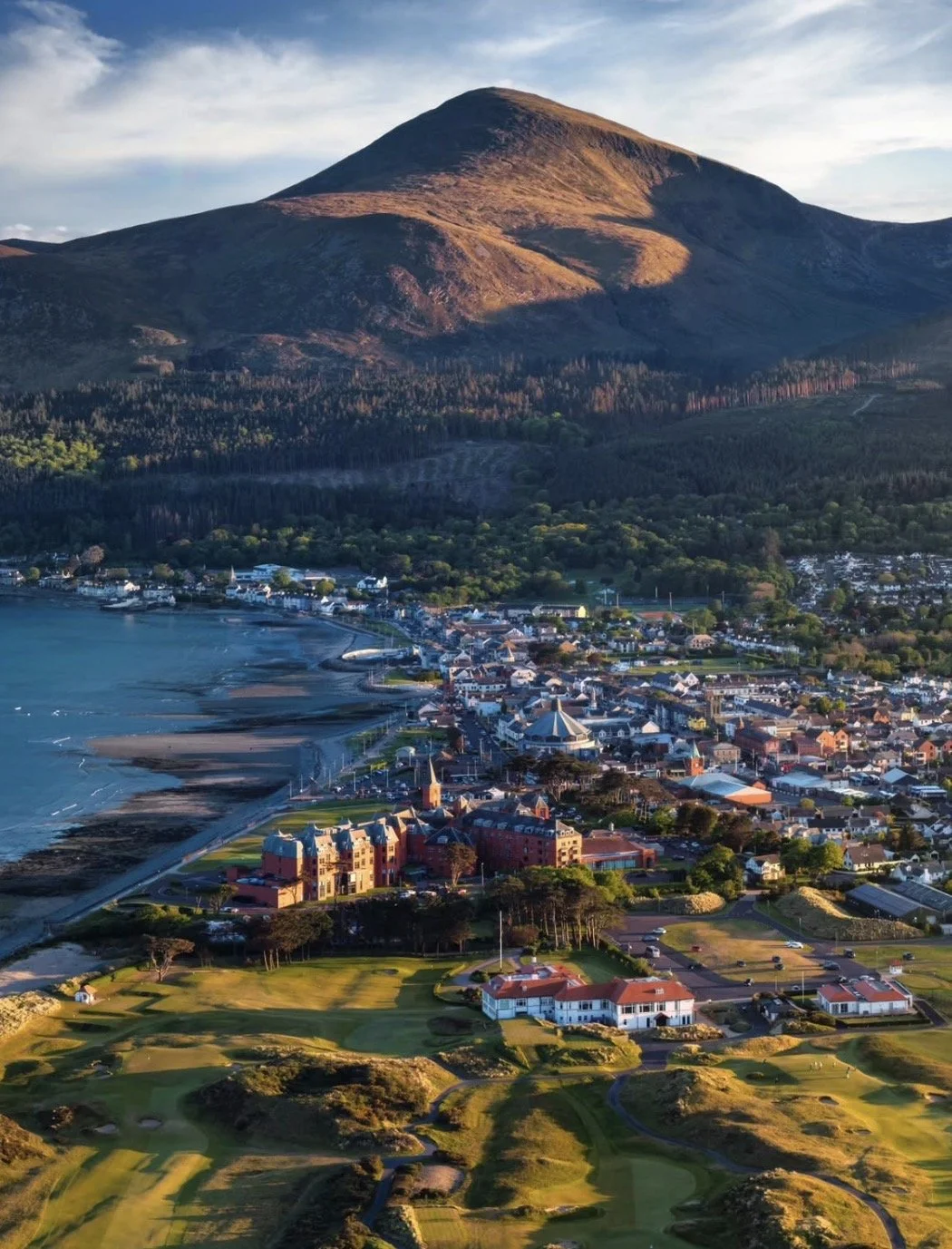
DAY FOUR TUES OCTOBER 13 Mourne Mountains & Newcastle
We drive north today, leaving Dublin behind. Our first stop is Monasterboice, a fifth-century monastic settlement just off the motorway; two of the finest Celtic high crosses in Ireland stand here, including Muiredach's Cross, with panels carved a thousand years ago.
We continue through the Boyne Valley and on to Carlingford, a medieval walled village on the shores of Carlingford Lough, with the Mourne Mountains visible across the water. Norman castle ruins, a fifteenth-century gatehouse, narrow streets of whitewashed cottages, and some of the best oysters in Ireland. We eat lunch here. Carlingford sits almost exactly on the border, a fitting place to pause before we cross into Northern Ireland.
After lunch, we visit the Newry & Mourne Museum, which tells the layered story of this border region: settlement, trade, industry, and the constant movement of people who have built their lives in the shadow of these mountains. We then make a stop at Tollymore Forest Park, the enchanting ancient woodland that inspired C.S. Lewis's Narnia. Lewis, born in Belfast, once wrote of this landscape. Walking beneath the cathedral-like canopy of Tollymore, it is not difficult to understand what he meant.
By afternoon we arrive at the Slieve Donard, a grand Victorian hotel built in 1898 where the Mourne Mountains meet the Irish Sea. The rest of the day is yours. Walk the promenade. Watch the weather change across the mountains. Let the sea air do what it does. In the evening, we gather for storytelling and music with a local voice helping us understand how this landscape shaped the people who lived here. Dinner at the hotel.
INCLUDES:
Monasterboice ancient monastic site
Lunch in the medieval village of Carlingford
Newry & Mourne Museum
Tollymore Forest Park
Storytelling and music evening
Dinner at the Slieve Donard
Moderate walking: 2-4 miles throughout the day. BUS 2 hrs. Sleep in NEWCASTLE.

DAY FIVE WED OCTOBER 14 Belfast | Industry, Identity & Song
We leave Newcastle and travel north toward Belfast stopping for lunch along the way. By early afternoon we arrive in Belfast… Shipbuilding and linen, Victorian ambition, literature and punk, murals and peace walls, grand architecture and ordinary working streets all coexist here. A local guide whose extraordinary ability to share Belfast's complex history with elegance and care, joins us for a conversational driving introduction to the city.. not a Troubles tour, but something far more nuanced and human.
Later we will visit the Ulster Museum in the Botanic Gardens with a powerful Troubles exhibition, the chalkboard from Derry Girls, and collections spanning art, history, and natural history.
In the evening, we gather at the hotel for dinner and a conversation with a local writer and storyteller, who is one of the most thoughtful voices on identity, belonging, and reconciliation in Northern Ireland. This will be a conversation about who we are, where we come from, and what it means to choose the stories we carry forward.
INCLUDES:
Transfer to Belfast with a stop along the way
Belfast city tour and introduction
Visit the Ulster Museum
Dinner and conversation
Moderate walking: 2-4 miles throughout the day. bus 2 hrs. Sleep in BELFAST.

DAY SIX THUS OCTOBER 15 | Derry & The North Coast
A sweeping day through layered history and dramatic coastline. We travel west to Country Derry. This morning we walk the Emigrant's Trail on Carntogher Mountain; the actual route emigrants took before they left this land for good. Walking has a way of changing the scale of history. A migration route that appears as a line on a map becomes weather, incline, stone, distance, and footsteps beneath your own feet.
We continue along the coast to the dramatic ruins of Dunluce Castle, perched almost impossibly above the Atlantic. For centuries it was associated with the MacDonnell family: part of a Gaelic-Scottish world in which people, power, language and culture moved back and forth across the narrow water between Scotland and Ireland.
Beyond Dunluce, the coastline continues to astonish, visit the ancient canopy of the Dark Hedges along Bregagh Road and the whitewashed cottages of Portbradden. We end the day at the Giant's Causeway, where 40,000 interlocking basalt columns meet the Atlantic, formed by volcanic activity tens of millions of years ago. Return to Belfast in the evening.
INCLUDES:
The Emigrant's Walk on Carntogher Mountain
View Dunluce Castle and Dark Hedges
Visit Giant's Causeway
Coastal drive along the Antrim coast
Moderate walking: 3-5 miles throughout the day. bus 3 hrs. Sleep in BELFAST.

DAY SEVEN FRI OCTOBER 16 Belfast | A Day to Make It Yours
This morning we gather for a conversation about the Ulster-Scots story with a genealogist and historian; the people who came from Scotland to Ulster and then left again for America, carrying a culture, a faith, and a stubbornness that shaped the Appalachian frontier and the American story in ways most people never learn. This is the thread that connects Scotland to Ireland to the Shenandoah Valley, and it is one of the most complex and least understood migration stories in the English-speaking world.
The afternoon is yours in Belfast. Walk the Cathedral Quarter: cobblestoned streets, live music, independent restaurants, street art. Explore the murals. Find a pub. Discover a bookshop. Return to somewhere you noticed earlier in the week. Or do absolutely nothing. Whatever your heart needs on this last day.
Tonight we come together one final time for a farewell dinner at a magnificent building in the Cathedral Quarter. There will be music. There may be poetry. After a week of holding the weight of history, tonight is about joy… not joy that pretends sorrow doesn't exist, but the kind that refuses to let sorrow have the last word.
INCLUDES:
Morning conversation on the Ulster-Scots story with genealogist/historian
Free afternoon in Belfast
Farewell feast with music and poetry
Moderate walking: 2-4 miles throughout the day. no bus. Sleep in BELFAST.

DAY EIGHT SAT OCTOBER 17 Departure | Carrying the Story Home
The journey doesn't end when you board the plane. It ends or rather, it continues in how you carry what surfaced this week back into your daily life. Into how you parent. How you love. How you tell your own story.
It may be that when we no longer know what to do, we have come to our real work.
Carry the questions home.
MORE TOUR INFORMATION
-
This tour is designed for curious travelers, particularly Americans interested in Irish or Scots-Irish heritage—who want more than sightseeing. You don’t need a detailed family tree to join; just a desire to understand how history, migration, and place shape identity. You don’t have to have Irish family connections.
-
Not at all. While the tour explores Irish and Ulster-Scots migration, it’s ultimately about understanding origin stories and how they influence our present lives. Many guests come without confirmed Irish roots and still find the experience deeply meaningful.
-
This is a moderate, well-paced tour. Most walking is gentle and optional, with plenty of rest built in. We travel by private coach on longer days, and there are free afternoons and evenings to move at your own pace.
-
This journey blends history, landscape, genealogy, storytelling, and reflection. We visit well-known sites, but always through a human lens—asking why this place mattered, who left from here, and how those stories still live on. It’s as much an inward journey as a physical one.
-
Yes. We include sessions with genealogists and historians who can help you understand Irish records and migration patterns. This is guidance and context rather than exhaustive research, meant to support personal discovery rather than overwhelm.
-
The tour explores difficult history, including famine, displacement, and conflict, but it is intentionally balanced with beauty, music, laughter, and rest. Guests often describe it as deep but not heavy… honest, grounding, and surprisingly hopeful.
-
This is a small group tour, allowing for meaningful conversation, flexibility, and shared experiences. Group size is intentionally limited to preserve intimacy and connection.
-
We stay in thoughtfully chosen, character-rich hotels that reflect place and story. These are comfortable, atmospheric, and well-located, not generic chain hotels.
-
Yes. Free afternoons allow space for rest, personal exploration, or revisiting places that resonated with you.
-
Intentional and unhurried. We value lingering, conversation, and presence over rushing from site to site. Some days are fuller, others lighter, with a natural rhythm across the journey.
-
The tour is reflective and human-centered, but not religiously affiliated. Guests of all backgrounds are welcome. Conversations may touch on faith as part of history or personal story, but always with openness and respect
-
Many guests travel solo. This trip is build for those who come alone. Overall, the group dynamic is warm and welcoming, and solo travelers often find the shared meals and conversations especially meaningful.
-
Food is an important part of this journey, and we’re mindful that everyone comes with different needs. We happily accommodate most dietary requirements and allergies (including vegetarian, gluten-free, and other medical needs) when we’re informed in advance. Many meals are shared, unhurried, and thoughtfully chosen, and we work closely with restaurants and hotels to ensure you feel well cared for throughout the tour.
UK TRAVEL INSPIRATION